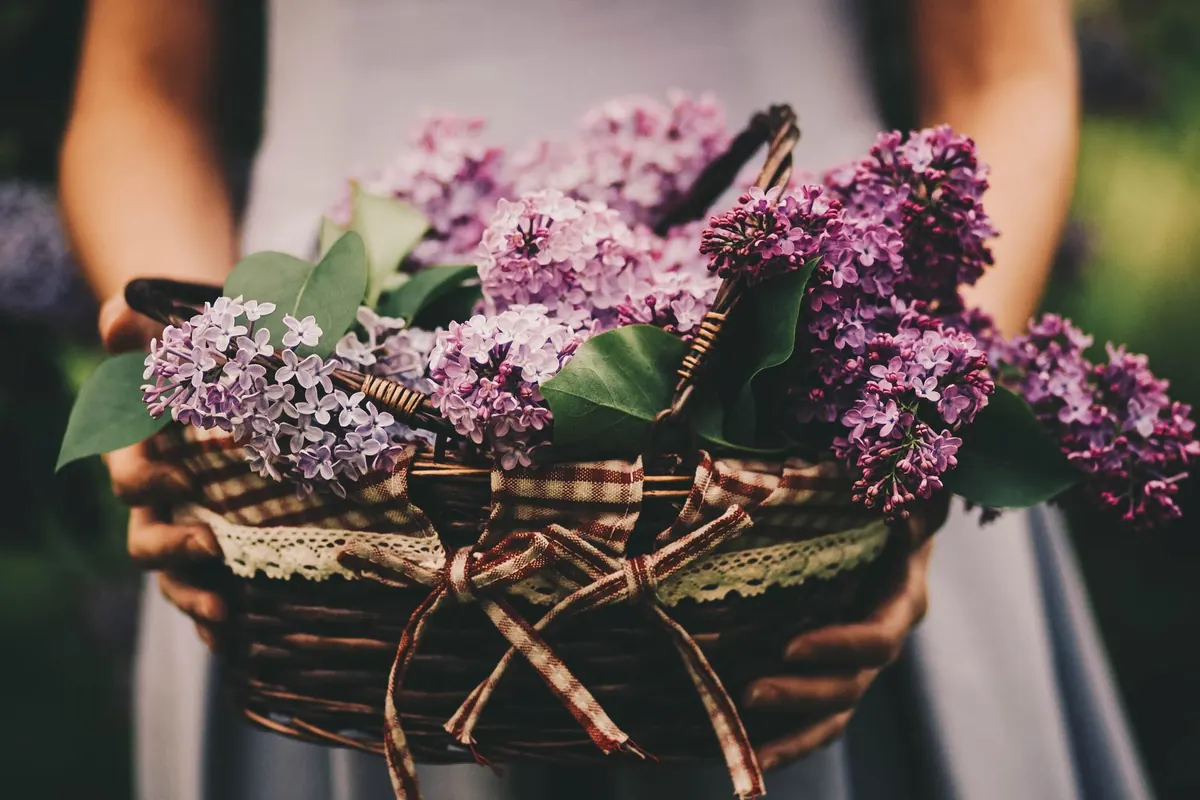


Autumn does not arrive in Britain so much as seep in. One week you are eating lunch outside; the next, the light has gone flat by four o'clock and every coat in the hall smells faintly of damp wool. Dressing well through that shift has less to do with chasing trends than knowing which colours hold up under grey skies — and which fabrics make those colours worth wearing in the first place.
What follows is a working palette for the season ahead, along with the textiles and layering pieces that turn it into something you can actually get dressed in on a wet Tuesday.
Start With the Base Colours
Most wardrobes fail in autumn because everything is an accent and nothing is a foundation. Before you buy a single new piece, settle on three or four neutrals that suit you and work together without thought.
Charcoal, navy, bitter chocolate brown and oatmeal are the most dependable for British winters. Black still has its place, particularly in tailoring, but in heavy wool it can read hard against pale winter skin; navy and dark brown are gentler and, in low November light, more interesting to look at. Oatmeal and its cousin, undyed cream, are the ones people overlook — a fine oatmeal knit under a charcoal coat lifts an entire outfit without introducing a single new colour.
Buy your bases first, at the best quality you can justify. A base layer is worn three or four times a week. An accent is worn twice a month.
The Season's Accent Colours
Accents are where autumn dressing becomes enjoyable rather than merely practical. Four families are worth your attention.
- Oxblood and deep burgundy. The richest of the warm darks, and forgiving on most complexions. A cashmere scarf, a pair of lined leather gloves, one good jumper.
- Olive, forest and moss green. Softer than black and quietly good with navy, brown and cream. A forest green wool coat is a genuine alternative to a black one.
- Camel and rust. The classic warm tones. Choose one that sits near your face and keep the other for trousers, boots or a bag.
- Powder blue and soft slate. A cool accent that stops a brown-and-camel wardrobe turning muddy. Best in shirting, fine knits and silk.
A note on the muddy middle
Be cautious with greyed-out mid-tones — dusty mauve, washed-out taupe, muted teal. They can look elegant in a swatch and exhausted on a wet afternoon. If you love them, wear them away from your face and keep the rest of the outfit crisp.
Fabric Changes Everything
Colour does not exist independently of texture. The same forest green reads quiet and businesslike in fine merino, richer and more casual in a chunky ribbed wool, and unmistakably evening in velvet. This is why two people can wear the same shade and look as though they are wearing different colours entirely.
For the colder months, the fabrics that earn their keep are brushed wool, flannel, corduroy, tweed, bouclé, cashmere and waxed cotton. All of them have a nap or a surface, which means they swallow light. As a rule, go one shade lighter than you instinctively would with brushed wool and flannel, or the colour will look heavier than it did on the hanger.
The quickest way to look considered is to wear two or three textures in the same colour. Charcoal flannel trousers, a charcoal cashmere jumper and a charcoal wool coat is not a monotone outfit; it is three different surfaces catching the light in three different ways.
Layering Pieces Worth Owning
Layering is a British necessity, not a styling conceit — you need to be warm at eight in the morning, comfortable on a heated train at eleven, and presentable at a restaurant by one. Build around these:
- A fine merino roll neck, in charcoal or navy, thin enough to sit under a blazer.
- A cashmere or lambswool crew neck, worn over a shirt with the collar showing.
- A tailored wool coat long enough to cover the knee, with room for a jumper underneath.
- A heavier overcoat or padded jacket for the genuinely cold weeks.
- One chunky textured knit — cable, ribbed or bouclé — for weekends.
- Leather gloves, a silk or wool scarf, and boots with a proper sole.
Fit matters more than quantity here. If the mid layer is bulky, the outer layer will strain across the shoulders and every colour decision you made becomes irrelevant.
Where to Wear Colour
Put your strongest colour where it flatters you, not where it is easiest to find. A scarf, a hat or a high-necked knit frames the face; a burgundy loafer or a rust leather bag does not. If you are unsure whether a shade suits you, hold it against your bare face in daylight — near a shop window or an open door, not under spotlights — and look at your jawline rather than the fabric.
If you would rather keep things simple, choose a neutral coat and let colour live in one accessory at a time. A single saturated scarf against a grey wool coat reads as a decision, not an accident.
A Practical Order of Play
- Pull everything out and group it by colour. Note what you actually wear.
- Identify your two or three foundation neutrals and stop buying outside them.
- Replace the weakest base layer first — the knit you wear most often.
- Add one accent colour in a piece you will wear weekly, such as a scarf or jumper.
- Check that your outer layer fits over your thickest mid layer before you commit.
- Keep a note on your phone of the shades you own, so a new purchase has something to sit with.
Bringing It Together
A wardrobe for British autumn and winter does not need to be large. It needs a few neutrals in textures you enjoy touching, one or two accent colours you return to, and layers that can be added or removed as the day changes its mind. Get those right and the season's grey light becomes a backdrop rather than an obstacle.
Photo: jirityburec / Pixabay