
There comes a moment in the life of every accessory when it stops looking new and starts looking used. That moment is where leather and its alternatives part company. Real leather generally softens, darkens and moulds itself to you. Most vegan leathers hold their factory finish beautifully for a while, then begin to go at the flex points: the handles, the buckle, the crease across the toe. Which ages better depends entirely on what you mean by better, and on what you are actually buying.
What Ageing Really Means
Two different processes are at work. Leather ages by patina. Oils move through the fibres, the surface picks up a sheen from your hands, and small scratches blend into the overall colour rather than sitting on top of it. A good bag at ten years old looks lived-in, not worn out.
Vegan leather ages by fatigue. The surface coating abrades, plasticisers gradually migrate out of the polymer, and the bond between the top layer and its fabric backing weakens. The result is cracking, flaking and peeling, usually starting where the material folds repeatedly. It is worth saying plainly: many vegan leathers look pristine for longer than leather does. They just tend to fail faster once they start.
Durability: Where the Two Diverge
Real leather
Not all leather is equal, and the differences matter more than the leather-versus-vegan debate itself. Full-grain leather keeps the intact surface of the hide and is the most durable. Top-grain has been lightly sanded and is still good. Corrected-grain has been sanded and stamped heavily to hide flaws. Anything sold as "genuine leather" is usually a split with a heavy finish, and bonded leather is leather dust glued onto a backing, which will crumble at the edges within a few years of regular use.
Vegan leather
Most vegan leather is polyurethane or PVC on a knitted or woven backing. The backing does much of the structural work, so a dense, tightly woven backing is a good sign and a flimsy one is not. Newer plant-based materials, made from apple waste, cactus, pineapple leaf or mycelium, are genuinely impressive, but read the label carefully: many combine a plant base with a polymer binder, so they are not plastic-free.
What people forget
Construction decides longevity as much as material does. A well-made PU bag with reinforced stitching, solid hardware and sealed edges will outlast a badly made leather one with thin thread and a flimsy zip. Look at:
- Stitching density and whether the thread matches the load it carries
- Hardware weight and finish, especially buckles and strap anchors
- Edge finishing, which is where cheap bags unravel first
- Lining quality, because a torn lining ends a bag's life early
- Whether the straps are stitched or merely glued
How Each Material Ages
Leather over time
Expect a deepening of colour, a softening of structure and a light sheen along contact points. Creases form at the bend of a strap or the vamp of a shoe and, on good leather, those creases stay supple rather than splitting. Light scuffs can often be buffed out with a fingertip and a little conditioner.
Vegan leather over time
Expect the surface to stay uniform for a year or two, then to show hairline cracks at stress points. Once a coating cracks, it cannot be filled or blended the way leather can. Colour tends to fade rather than deepen, and cleaning too aggressively can remove the finish entirely. If you buy vegan, buy it for a defined purpose and a defined lifespan, not as an heirloom.
Care: The Routines That Actually Help
Leather rewards a little attention and punishes neglect and over-care equally. Too much conditioner softens the fibres and saps structure.
- Wipe leather with a dry, soft cloth after wear to remove dust and grit.
- Condition two to four times a year, using a small amount and buffing off the excess.
- Keep bags stuffed with tissue or a pillow and stored in a breathable dust bag, never a sealed plastic one.
- Use cedar shoe trees in shoes and rotate pairs so they dry fully between wears.
- Blot spills immediately; never scrub wet leather.
- Keep both materials away from radiators, car dashboards and direct sun.
Vegan leather needs less feeding but more gentleness. Wipe it with a damp cloth and a drop of mild soap, dry it away from heat, and avoid alcohol-based cleaners, which strip the coating. Store it flat or lightly stuffed, because folds become permanent cracks over time.
The Ethical and Environmental Trade-offs
This is where the decision gets genuinely difficult. Leather usually comes from animals reared for meat, so a hide is a by-product of that industry rather than the reason for it, though the value of hides does support the economics of farming. Tanning is chemical and water-intensive; chrome tanning dominates, while vegetable tanning is slower and uses plant tannins. Tannery certifications, such as those from the Leather Working Group, are a reasonable signal that environmental standards are being audited.
Vegan leather avoids animal slaughter, which matters greatly to many buyers. The catch is that most of it is fossil-fuel-derived plastic that will not break down quickly, and its shorter working life means more frequent replacement. Plant-based options reduce the plastic content but rarely remove it. Treat claims of biodegradability with polite scepticism unless the maker is specific about which components break down and under what conditions.
Bags, Belts and Shoes: Choosing by Item
Bags
A structured leather tote or satchel is the easiest long-term investment, because the shape holds and repairs are straightforward. For a trendy, seasonal shape or a beach bag, a vegan option makes sound sense: you get the look without committing years of care to it.
Belts
Belts take constant tension and abrasion at the holes and buckle, which is the worst possible environment for a coated material. Buy leather here if you can, choose a solid single-piece strap rather than a bonded one, and favour a buckle you can have re-stitched.
Shoes
Feet sweat and flex, so shoes are the hardest test. Leather uppers breathe, mould to the foot and can be resoled by a good cobbler, often several times. Vegan uppers can feel hotter and tend to crease sharply across the toe. If you choose them, look for a breathable textile lining and accept a shorter lifespan.
A Practical Checklist Before You Buy
Run through this in the shop or on the product page, and you will avoid most disappointments.
- Name the material. "Genuine leather" and "premium vegan leather" are vague; ask what the grain is and what the backing is.
- Flex it. Bend the item where it will naturally crease. Leather should wrinkle softly; coated materials should not show white lines.
- Check the repairs. Can a cobbler or leather specialist restitch it, replace the zip or recolour it?
- Match the lifespan to the job. Daily work bag, buy leather. Occasional evening clutch, vegan is fine.
- Ask about tanning or certification if the ethics matter to you, and be wary of anyone who cannot answer.
- Budget for care. A modest tin of conditioner and a shoe tree cost little and add years.
Buy the piece you will actually look after. A cared-for leather bag or pair of boots will keep improving for a decade and more; a vegan accessory can be a clever, cruelty-free choice for the right job, provided you go in with clear expectations about how it will age.
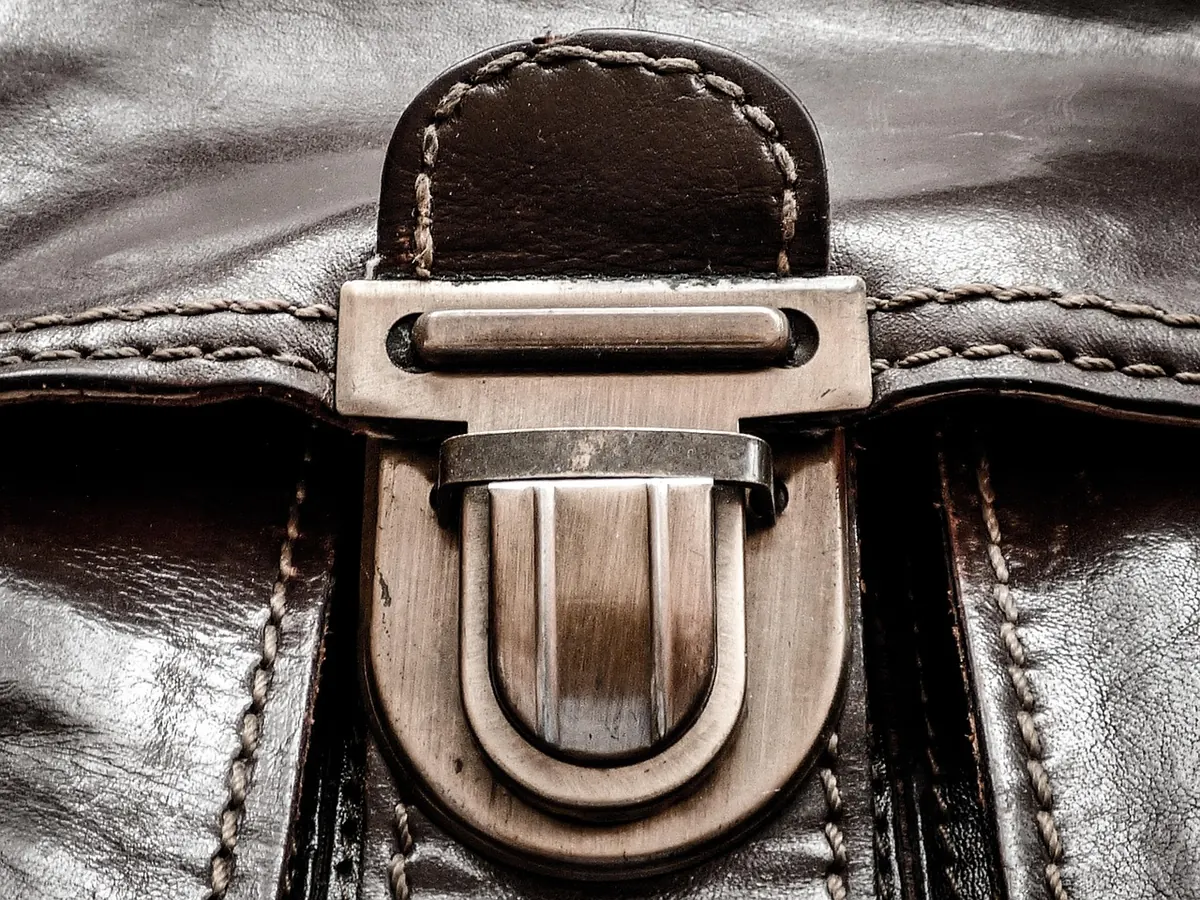
Photo: matuska / Pixabay